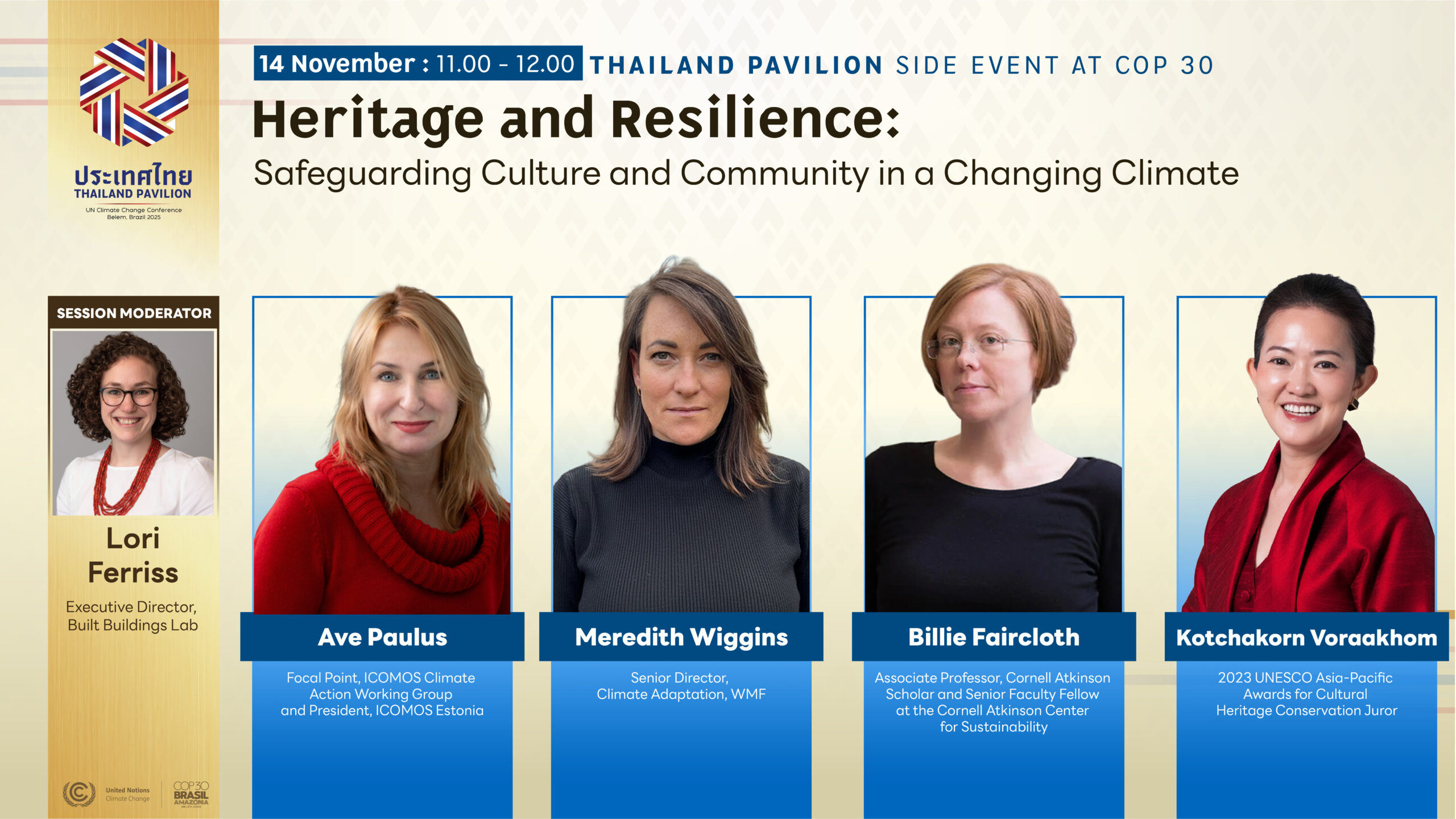
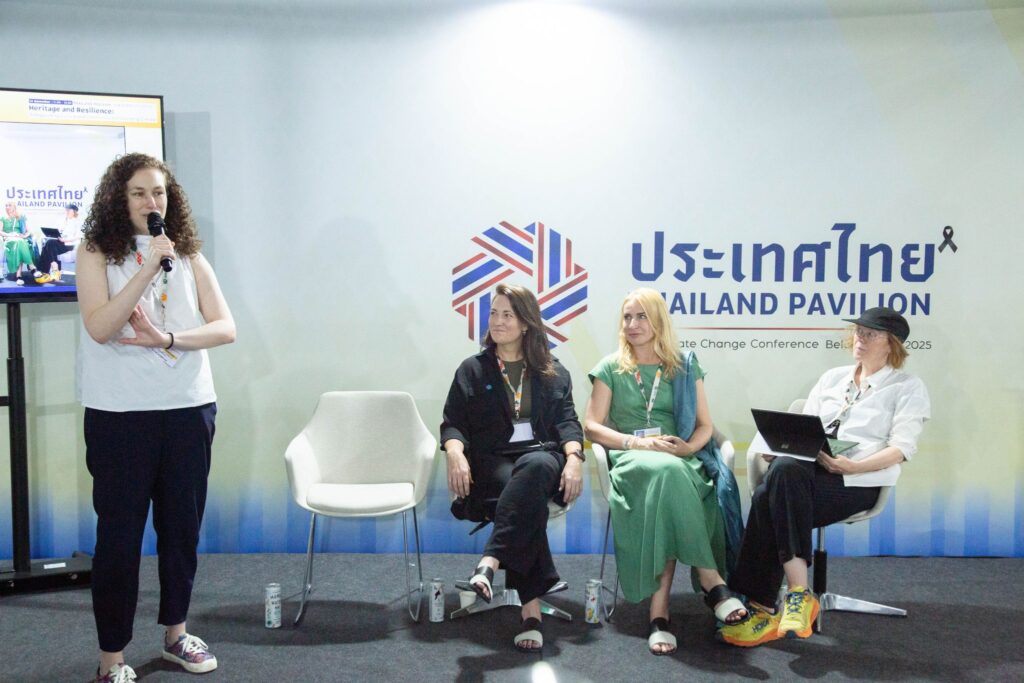
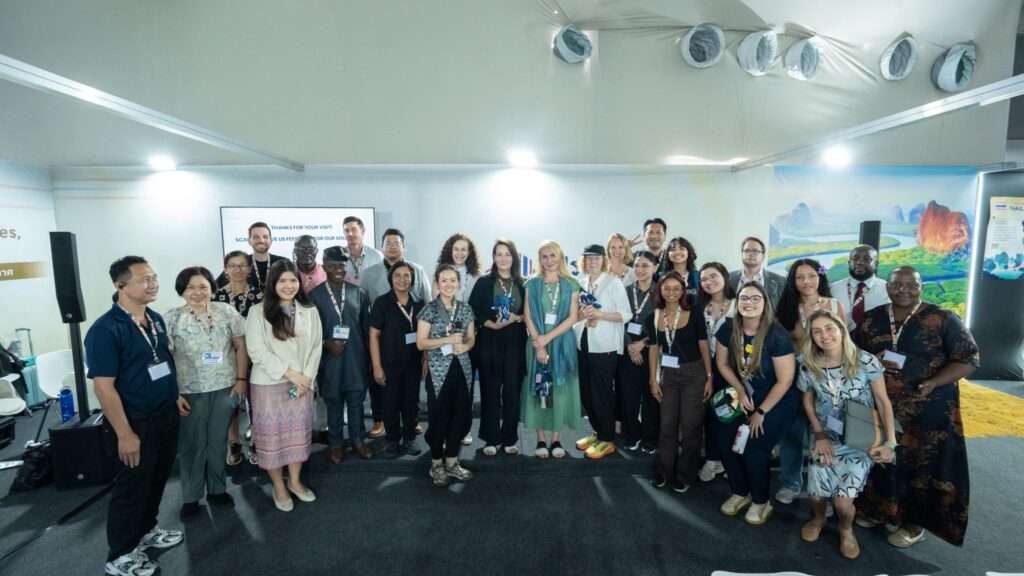
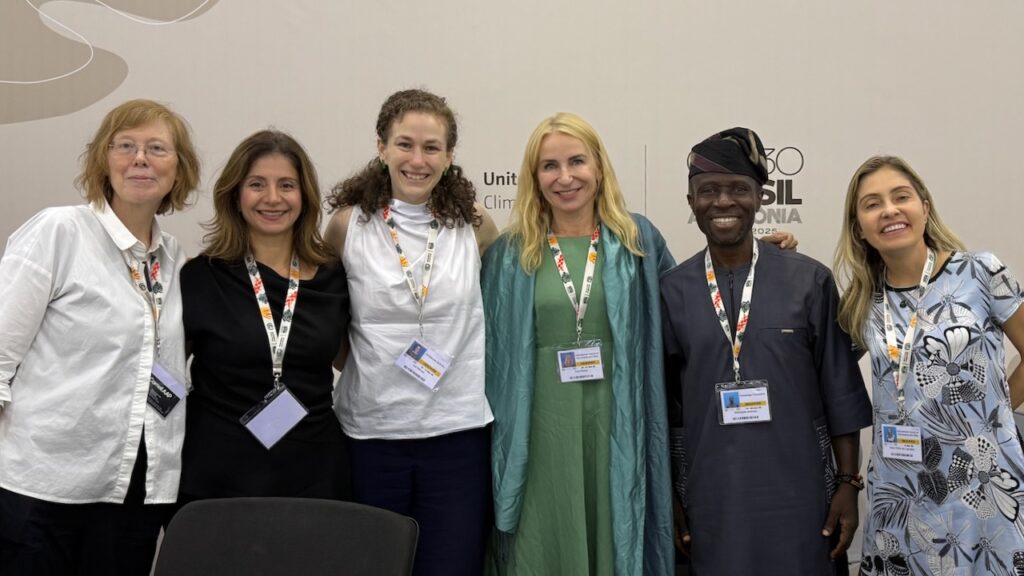
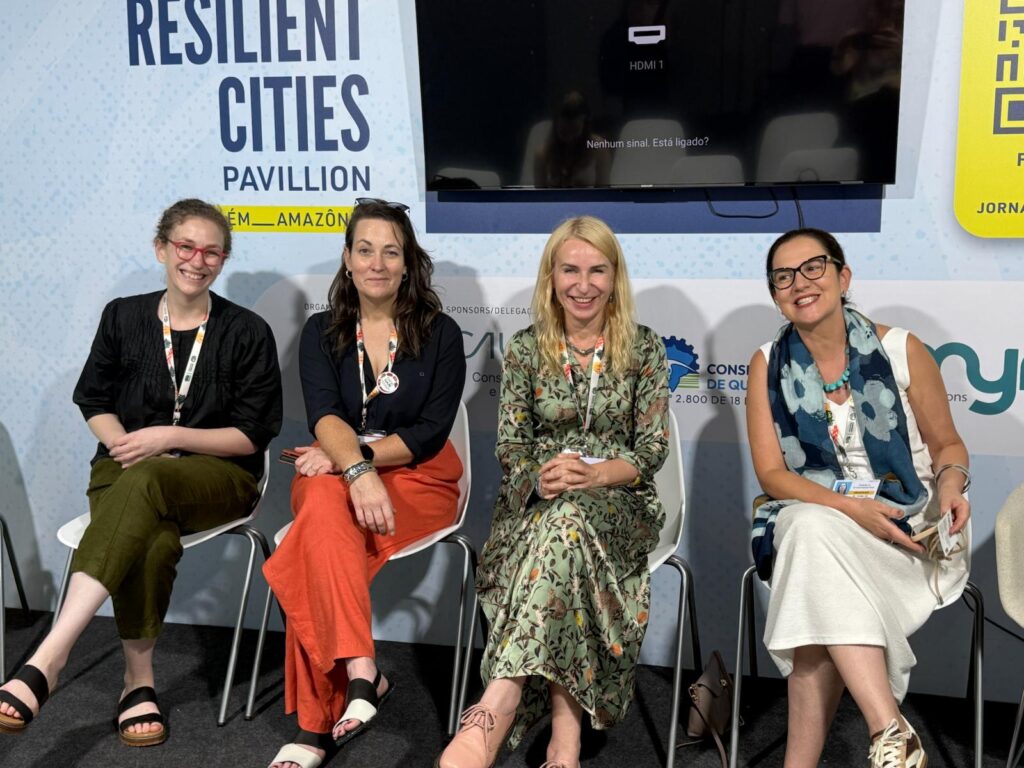
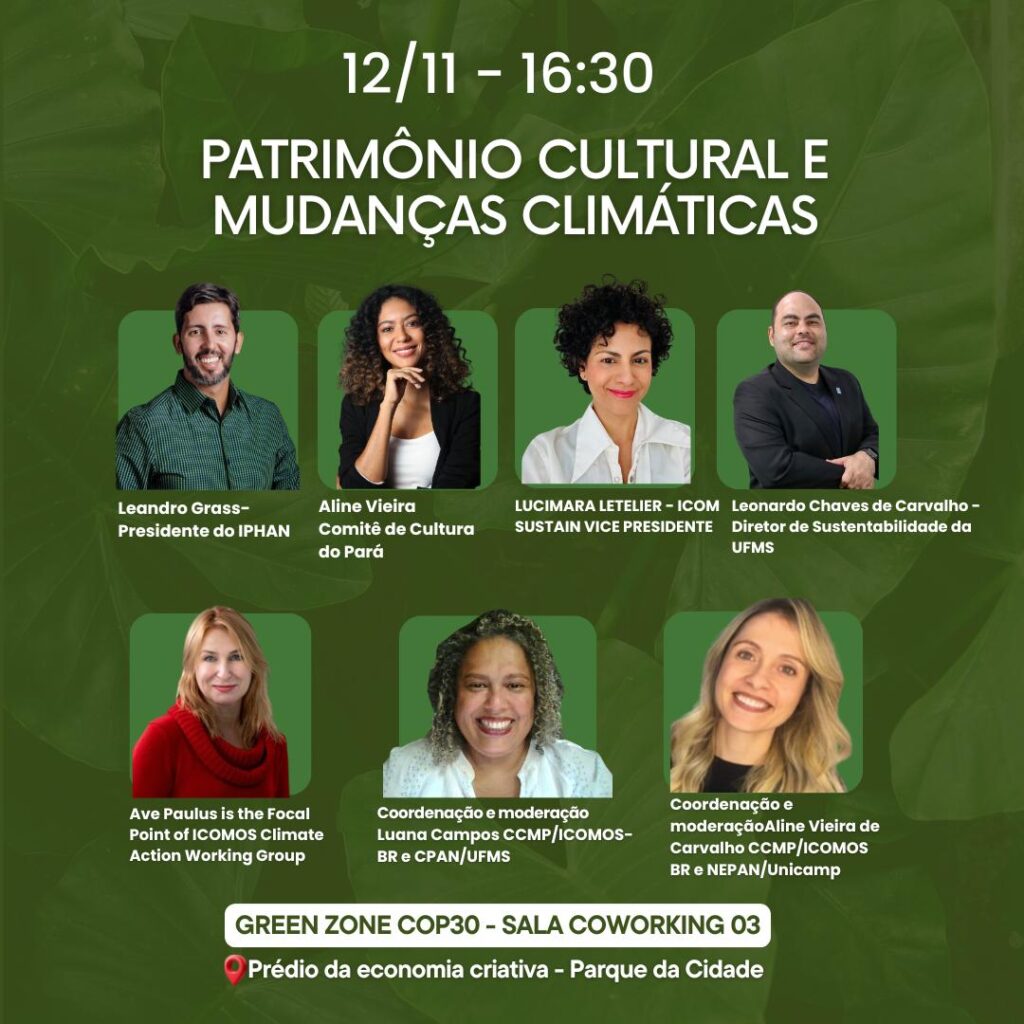
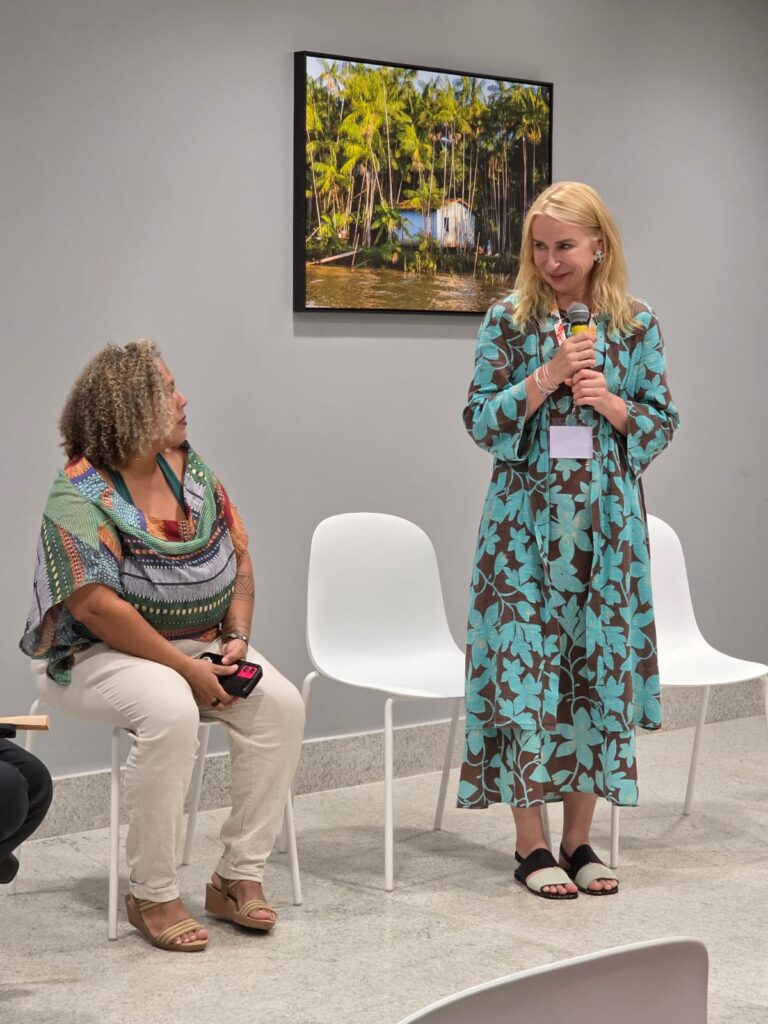
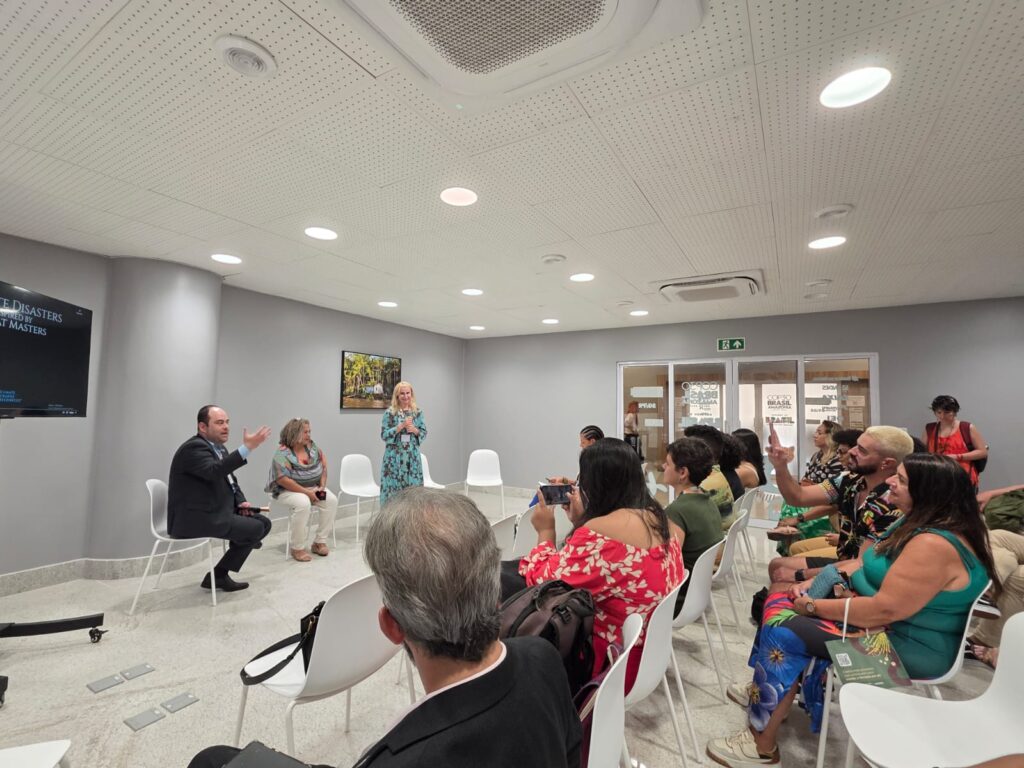
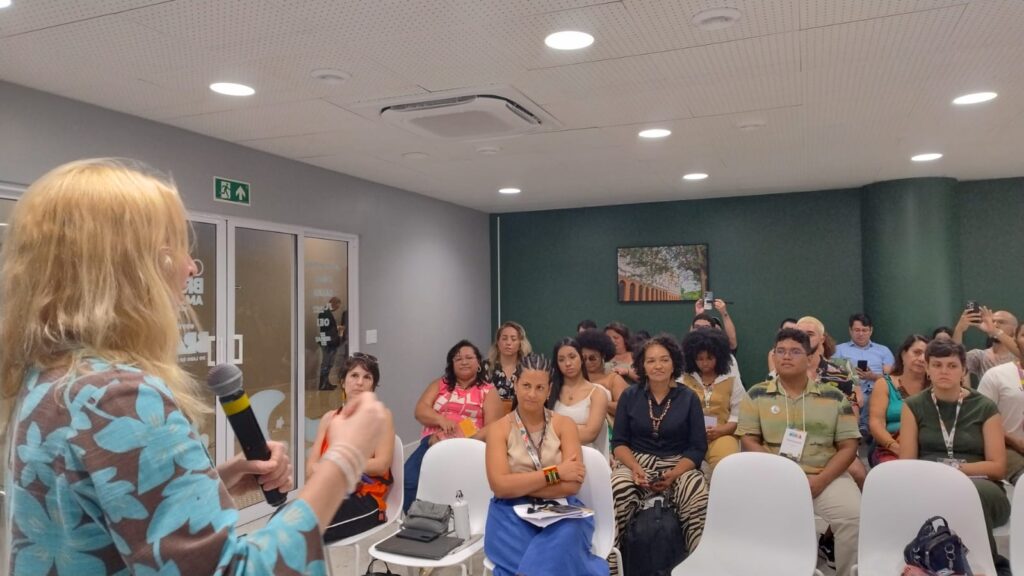
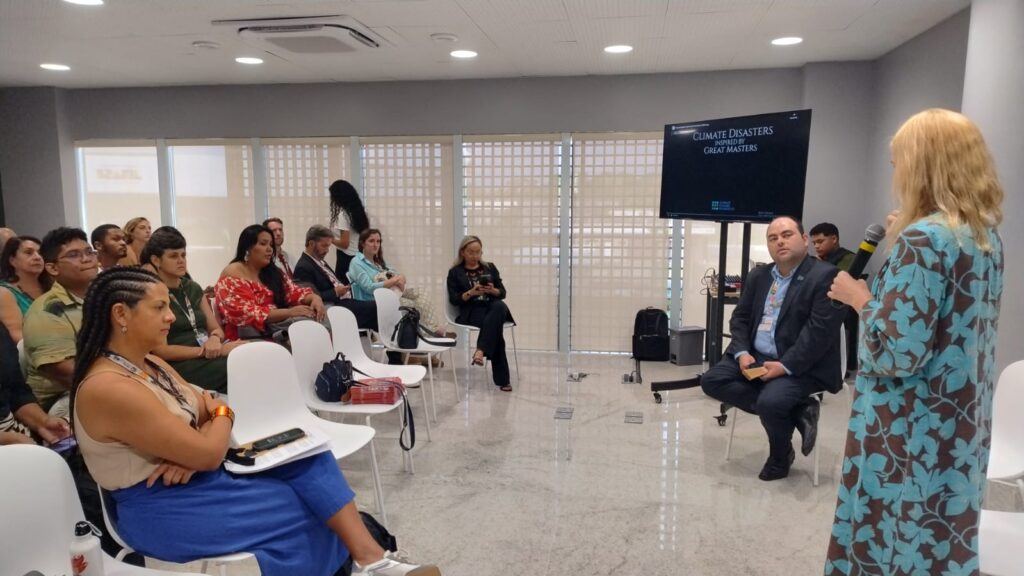
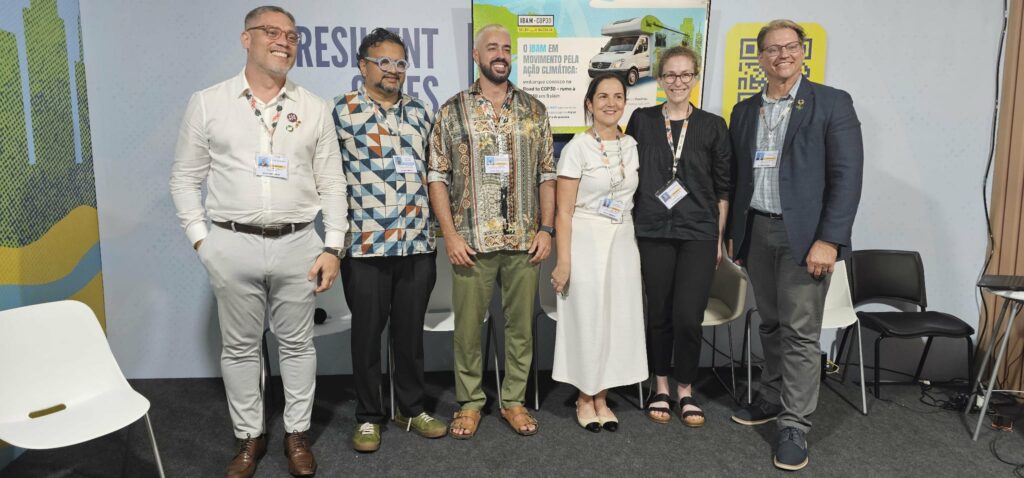
14 November 2025, 11.00-12.00, Thailand pavillion, Blue zone
Participating Organizations: Architecture 2030, World Monuments Fund, ICOMOS, Thai delegat
Session Description:
While global discussions on climate mitigation often focus on technology and infrastructure, cultural heritage offers a parallel pathway for transformation—one rooted in community, identity, and lived experience. Heritage embodies systems of knowledge, design, and stewardship that have long supported sustainable ways of living. As societies pursue energy transitions and systemic decarbonization, these cultural resources can inform more equitable and locally grounded mitigation and adaptation strategies.
Heritage and Resilience: Safeguarding Culture and Community in a Changing Climate explores how cultural heritage—both tangible and intangible—can strengthen resilience while contributing to just and inclusive climate transitions. The session brings together voices from heritage conservation, academia, and community practice to share examples of how traditional knowledge, local craftsmanship, and place-based practices intersect with modern sustainability and energy goals.
By recognizing heritage as both a source of wisdom and innovation, the discussion highlights how preserving culture can help reimagine climate solutions that honor the past while shaping a resilient, low-carbon future.
Speakers:
Welcome and moderation – Lori Ferris, Architecture2030, Climate Heritage Network
Ave Paulus, ICOMOS, ICOMOS Activities and Heritage Adapts Campaign
Meredith Wiggins, WMF, Rehabilitation of traditional water systems for urban resilience and water security
Kotchakorn Voraakhom, UNESCO Juror. Thailand Ayutthaya example
ICOMOS, Climate Heritage Network, Architecture 2030, Knowledge Foundation
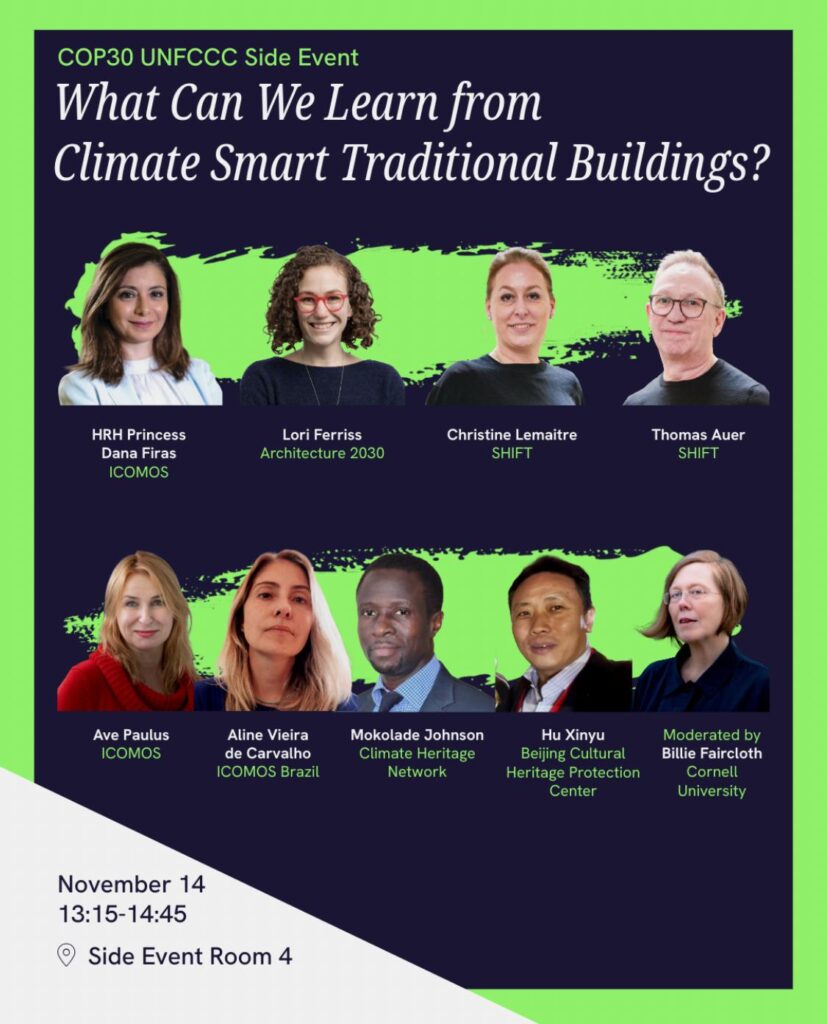
Nov 14 from 13:15 – 14:45– Blue zone, COP UNFCCC side event, side event room 4
Traditional buildings and knowledge embody centuries of ecological intelligence, offering culture-based climate mitigation and adaptation solutions. This session presents examples of traditional knowledge in meeting carbon neutrality targets while advancing resilience and environmental justice.
Presenters
Dana Firas, ICOMOS, Climate Heritage Network, Jordan. Cultural Heritage Based Climate Action
Lori Ferriss, Architecture 2030, USA. Decarbonizing the Built Environment through Heritage
Christine Lemaitre & Thomas Auer. SHIFT: Southern Heritage and Insights for Transformation
Ave Paulus, Focal Point of ICOMOS Climate Action Working Group, President of ICOMOS Estonia. On the Importance of Local Knowledge in Global Climate Action, With Examples from North Europe.
Aline Viera de Carvalho, ICOMOS, Brazil. Brazilian Charter of Cultural Heritage and Climate Change
Hu Xinyu, China. Vernacular Architecture of Beijing
Mokolade Johnson. Vernacular Architecture of Nigeria
Organizers: International Union of Architects (UIA), World Monuments Fund (WMF), International Council on Monuments and Sites (ICOMOS) and Climate Heritage Network (CHN)
Painelists:
Meredith Wiggins (WMF)
Ave Paulus (ICOMOS)
Lori Ferriss (CHN)
Moderation: Lori Ferriss (CHN)
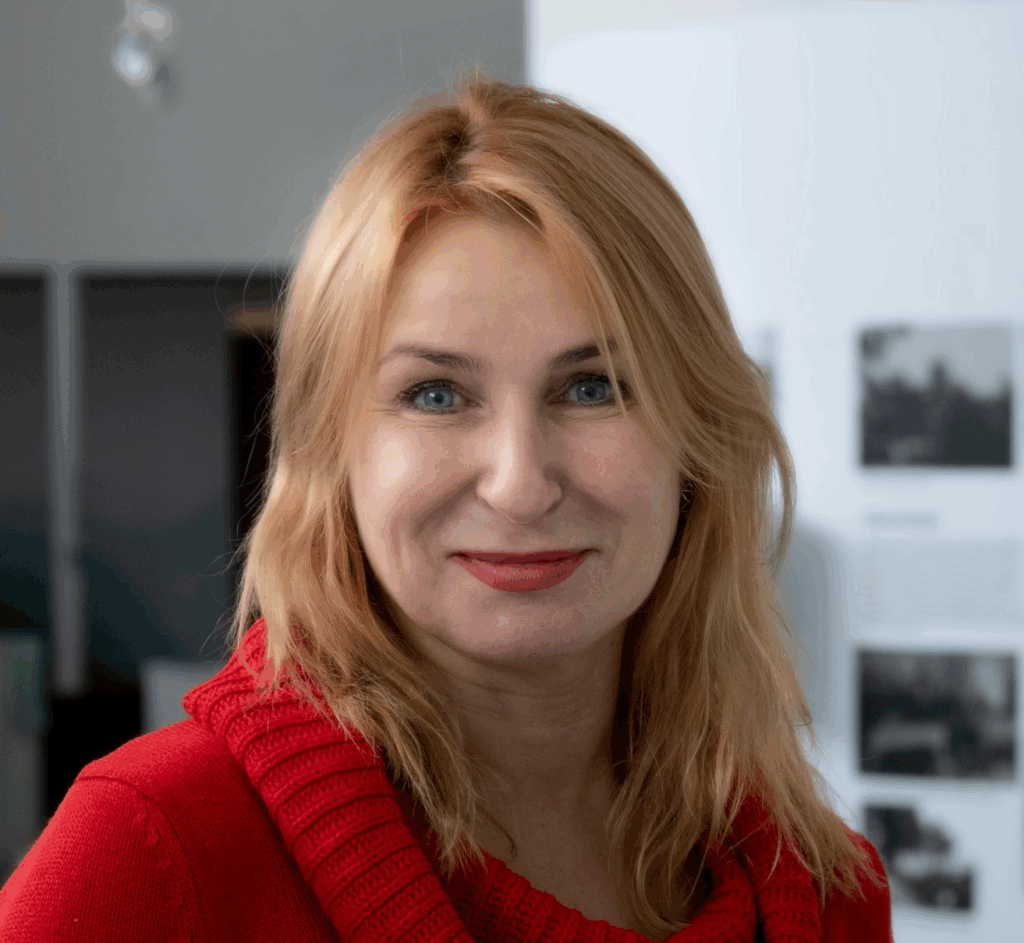
Ave Paulus is a leading expert on cultural heritage and climate action. She serves as the focal point for the ICOMOS Climate Action Working Group and President of ICOMOS Estonia. She has worked over 20 years in the Environmental Board of Estonia as a cultural heritage specialist. She is an expert member of the UNESCO panel of experts on Climate Change and World Heritage and EU OMC Group “Cultural Heritage Resilience for Climate Change”the IPCC’s Seventh Assessment Report (AR7). Her work focuses on traditional knowledge and rights-based heritage management in the face of climate change.
Meredith Wiggins: Dr. Meredith Wiggins is an archaeologist and project manager who works at the nexus of climate and culture; currently serving as World Monuments Fund’s Senior Director of Climate Adaptation. She joined World Monuments Fund from the field of international development, where spent five years designing and implementing climate mitigation and adaptation projects for USAID and MCC. Before that, she spent 16 years in the UK, working for Historic England and English Heritage in the areas of research, urban planning, and heritage protection. Dr. Wiggins currently runs a global WMF program entitled Cultivating Resilience, which focuses on risk assessment and adaptation in biocultural landscapes. She also acts as WMF’s Focal Point for the Group of Friends of Culture-Based Climate Action and is Focal Point for WMF in their role as part of COP30’s Activation Group 19: Culture, Cultural Heritage, and Climate Action.
Lori Ferriss, AIA, PE is Co-Founder and Executive Director of Built Buildings Lab, a Senior Fellow of Architecture 2030, and a Steering Committee member of the Climate Heritage Network. An internationally recognized expert, Lori works at the intersection of climate action and cultural heritage. Her award-winning work as an architect, structural engineer, and preservationist blends policy development with technical expertise to position the built environment as a climate solution. Lori co-developed Architecture 2030’s CARE Tool, estimating carbon benefits of building reuse. She is the past Chair of the American Institute of Architects Committee on the Environment and is an expert member of the ICOMOS International Scientific Committee on Energy and Sustainability.
On 11.11, ICOMOS, International Union of Architects, Architecture2030 and CHN have a session “Design as adriver of Climate Action in Cities, Resilient Cities pavilion, at 17.00-18.00 on green design. Among the speakers Bruno Andrade and Celso Almeida.
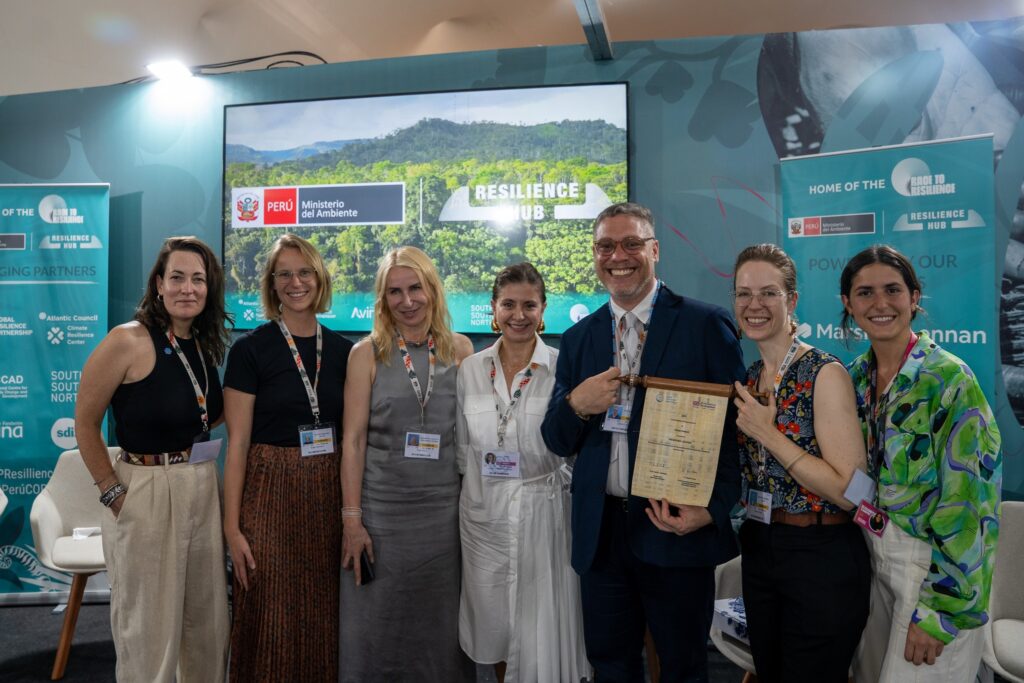
Preserving Legacies has won the 2025 Local Adaptation Champions Award in the Science category by the Global Center on Adaptation!
This global recognition celebrates our mission to bridge science, culture, and community in protecting the world’s heritage sites from climate change — and honors the incredible custodians leading locally led, values-based, and science-driven adaptation across the globe.
We’re proud to share this honor with the inspiring winners in the other categories — Citizen Science, Health, Nature-based Solutions, and Women’s Livelihoods — whose visionary work showcases the transformative power of locally led climate action.
During the ceremony, Her Royal Highness Princess Dana Firas of Jordan, UNESCO Goodwill Ambassador for Cultural Heritage and President of the Board of the PNT – Petra National Trust, delivered powerful remarks on the vital importance of embedding culture in climate action. She highlighted Preserving Legacies’ “Heritage Adapts 3000 by 2030” initiative — a global call to safeguard 3,000 culturally significant sites from the impacts of climate change — as a model for how heritage can drive resilience and inspire global collaboration.
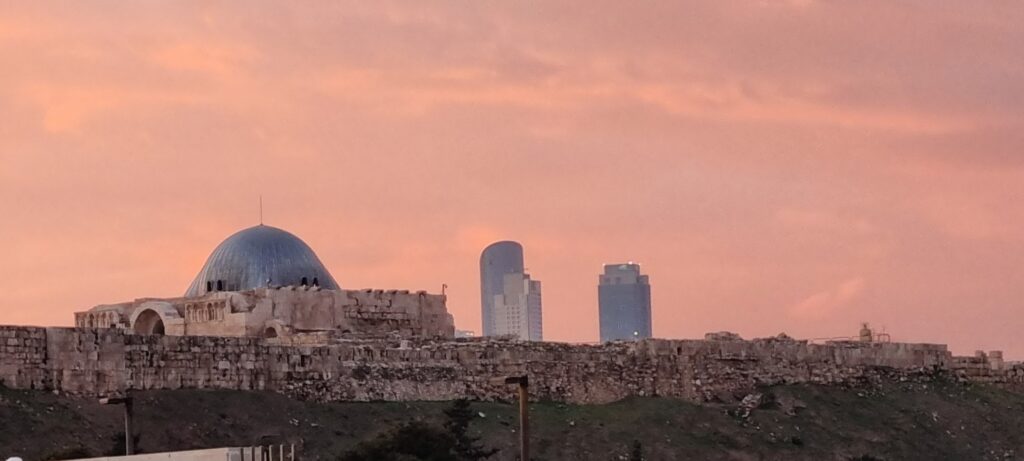
Are you a heritage professional passionate about tackling climate change? Join us in Amman for a 3-day Climate Literacy Training to explore how cultural heritage can drive climate action. The training takes place from 28.10 to 30.10 in Hamman, Jordan.
Organized by: Petra National Trust & ICOMOS Jordan, in collaboration with the ICOMOS Climate Action Working Group, Queen’s University, and EAMENA – Oxford University.
Open to heritage professionals eager to link climate science with cultural heritage. Please note: The training is self-funded (no scholarships or sponsorships).
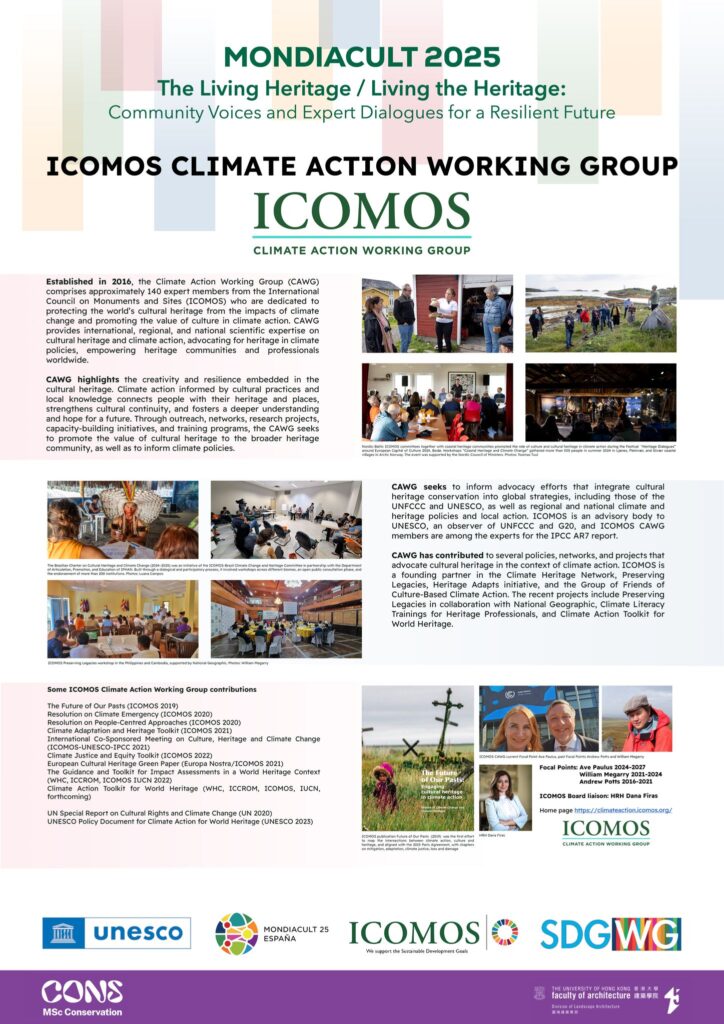
ICOMOS CAWG is contributing to the ICOMOS SDWG Mondiacult side-event “The living Heritage” on 1.10 at 13.30-14.30. During the preparations, posters of the ICOMOS Working Groups were produced. Here you can see the ICOMOS CAWG poster
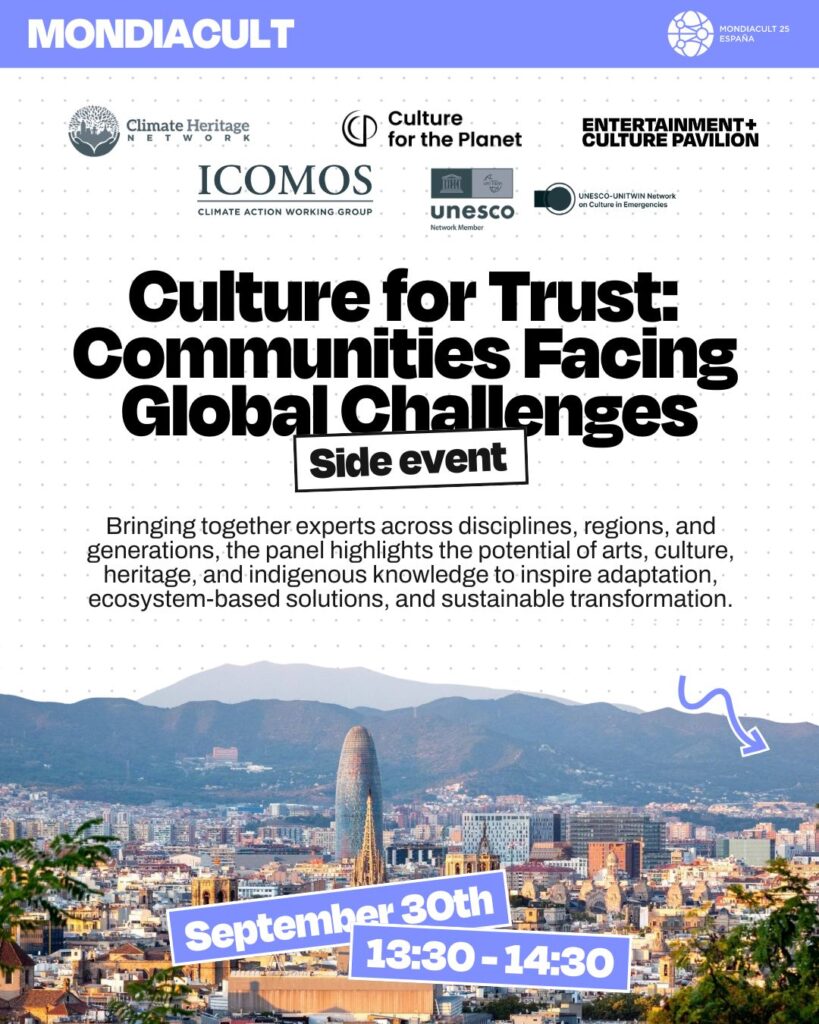
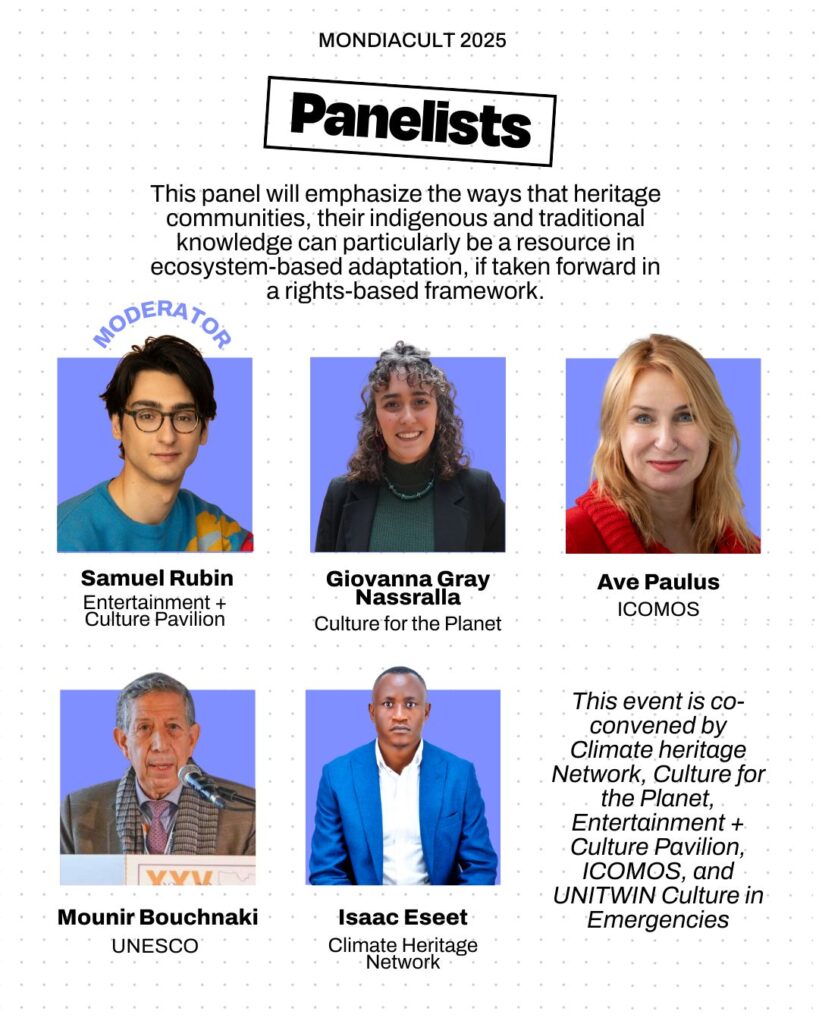
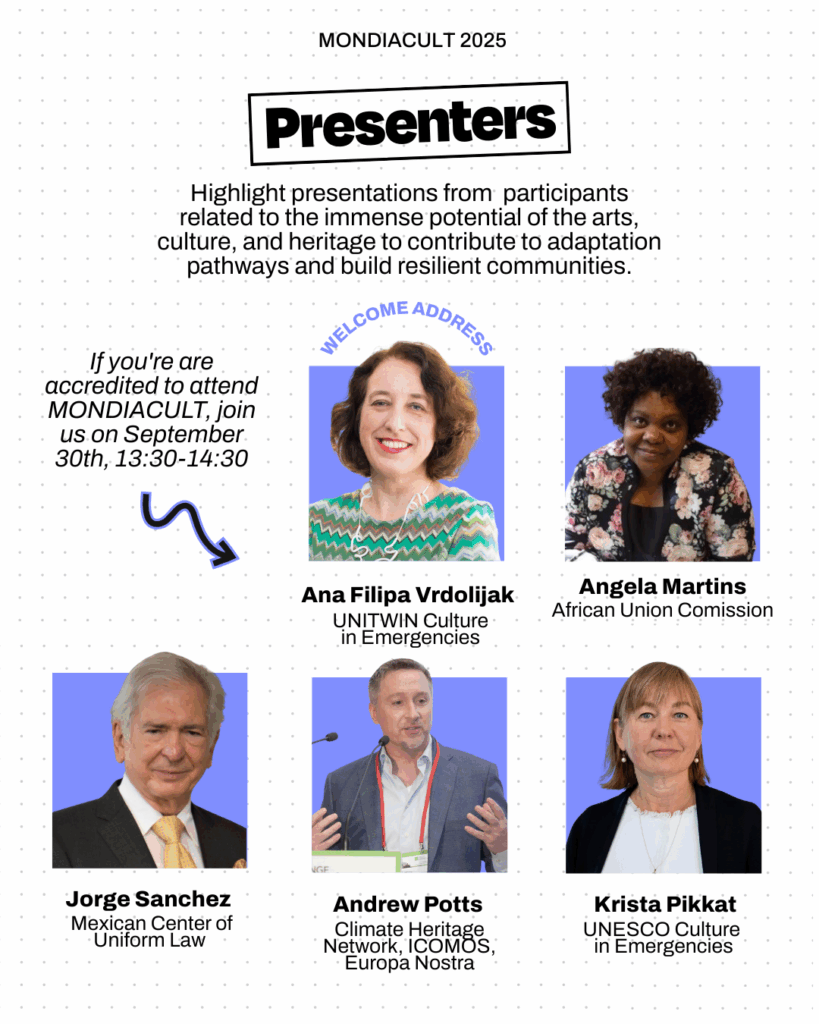
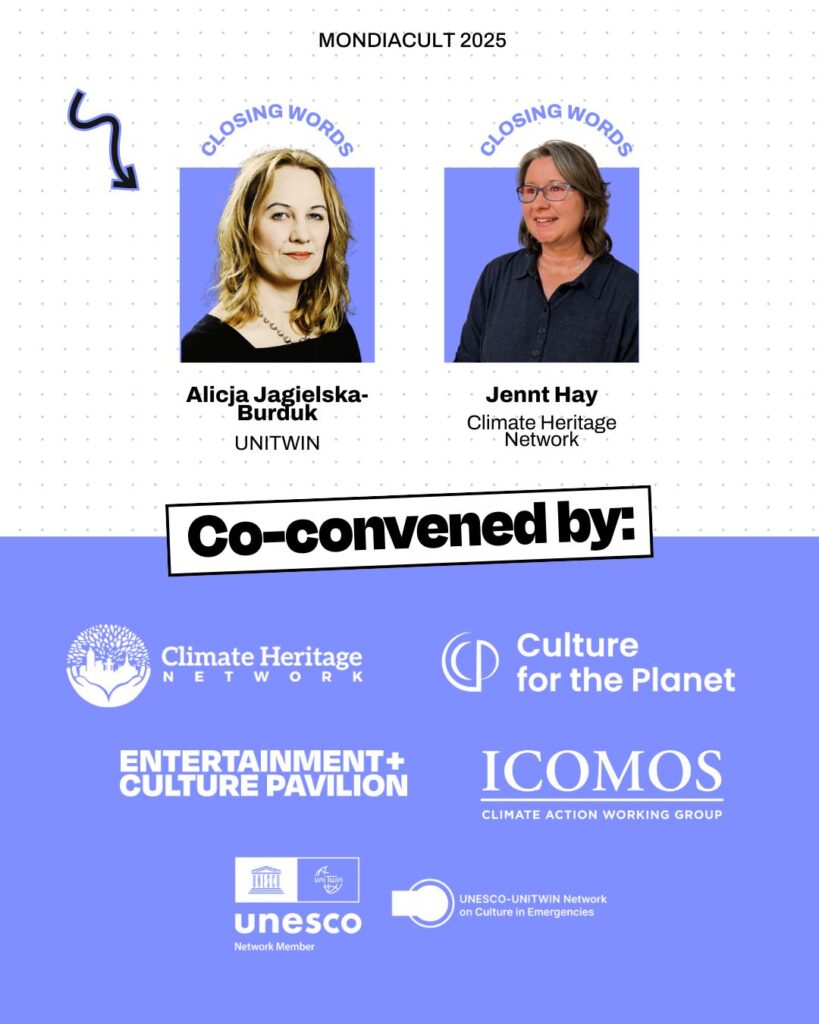
ICOMOS CAWG is organising, in cooperation with Climate Heritage Network, UNITWIN Culture in Emergencies, Culture for the Planet, Entertainment+ Culture Pavilion Mondiacult, an official side event “Enhancing Trust and Synergies with Culture – Communities Combating Global Challenges”.The event takes place on 30 September from 14:30 to 15:30 in Barcelona Convention Centre. LinkMONDIACULT 2025 Official Side Events | UNESCO
This side event aims to explore how culture, heritage, and artistic expression can serve as powerful tools for resilience, adaptation, and community empowerment during times of crisis, including conflict, climate disasters, and digital transformation. It will foster dialogue across disciplines and generations to highlight the synergies between traditional knowledge systems, cultural practices, and sustainability frameworks. By spotlighting the role of trust and collaboration, the event seeks to deepen understanding of how culturally grounded approaches can inform adaptation pathways and shape more inclusive and just climate and crisis responses. Additionally, it will explore the importance of transformative indicators and cultural metrics in advancing sustainable development, informing policy, and valorising the contributions of the arts and culture sector in global resilience strategies.
Keynote speakers and panellists elaborate on the following themes: How can culture and heritage contribute to resilience in times of crisis? What role does traditional knowledge play in climate adaptation? How can we build trust and foster synergies across sectors? What indicators are needed to recognise and scale the impact of cultural and artistic responses to global challenges?
Agenda 30.09, 14.30-15.30
Opening remarks by Ana Filipa Vrdolijak, UNITWIN University of Technology Sydney
Panel 1. Highlight presentations Krista Pikkat, UNESCO Angela Martins, African Union Comission Andrew Potts, Climate Heritage Network, ICOMOS Jorge A. Sánchez Cordero Dávila, Mexican Center of Uniform Law (MCUL)
Panel 2. Discussion Mounir Bouchnaki, UNESCO (Former ADG) Giovanna Gray Nassralla, Culture for the Planet Isaac Eseet, Climate Heritage Network African Coordinator Ave Paulus, ICOMOS Climate Action Working Group Moderated by Samuel Rubin, Entertainment + Culture Pavilion
Closing remarks by Jenny Hay, Climate Heritage Network and Alicja Jagielska-Burduk, UNITWIN
Organiser on behalf of ICOMOS – Ave Paulus, ave.paulus@icomos.org
Ave Paulus, Focal Point of ICOMOS Climate Action Working Group, has been selected among the experts of IPCC AR7 report, working group II “Impacts, Adaptation and Vulnerability” drafting the IPCC AR7 Europe chapter (11).
The IPCC is a scientific body of the United Nations that draws on the expertise of thousands of scientists from around the world to assess the science of climate change.The IPCC Assessment report is considered the world’s most authoritative source of information on climate change. It gives policymakers around the world a scientific assessment of climate change and its impacts, and provides governments with options for adaptation and mitigation. The report is produced every 5-7 years and is the scientific foundation for international climate policy negotiations at the annual Conference of the Parties (COP) climate policy negotiations under the United Nations Framework Convention on Climate Change.
News and events
COP 30 – Heritage and Resilience: Safeguarding Culture and Community in a Changing Climate